Countdown to 2026: Can Nigerian Banks Survive CBN Recapitalization Deadline?
Nigerian Banks in Recapitalization Race: Nigerian banks rush to raise capital ahead of CBN’s 2026 deadline as mergers, rights issues, and fresh offers reshape the nation’s banking sector.
Nigeria’s banking sector is in the middle of its biggest shake-up in nearly two decades as lenders scramble to meet the Central Bank of Nigeria’s (CBN) new recapitalization requirements. With just six months left before the March 31, 2026 deadline, the race to raise fresh capital has intensified, sparking rights issues, mergers talks, and investor campaigns across the industry.
The CBN in March 2024 announced that banks must significantly increase their minimum capital bases to strengthen the sector against economic shocks and boost its ability to finance large-scale infrastructure and development projects. Under the new rules, international banks are required to hold at least ₦500 billion in capital, national banks ₦200 billion, and regional banks ₦50 billion. Non-interest banks also face adjusted thresholds depending on their license category.
So far, the recapitalization drive has injected trillions of naira into Nigeria’s capital markets. Banks collectively raised about ₦1.7 trillion in 2024, with another ₦800 billion raised in the first seven months of 2025. Analysts expect that figure to rise further as more banks pursue rights issues, private placements, and public offers before year-end.
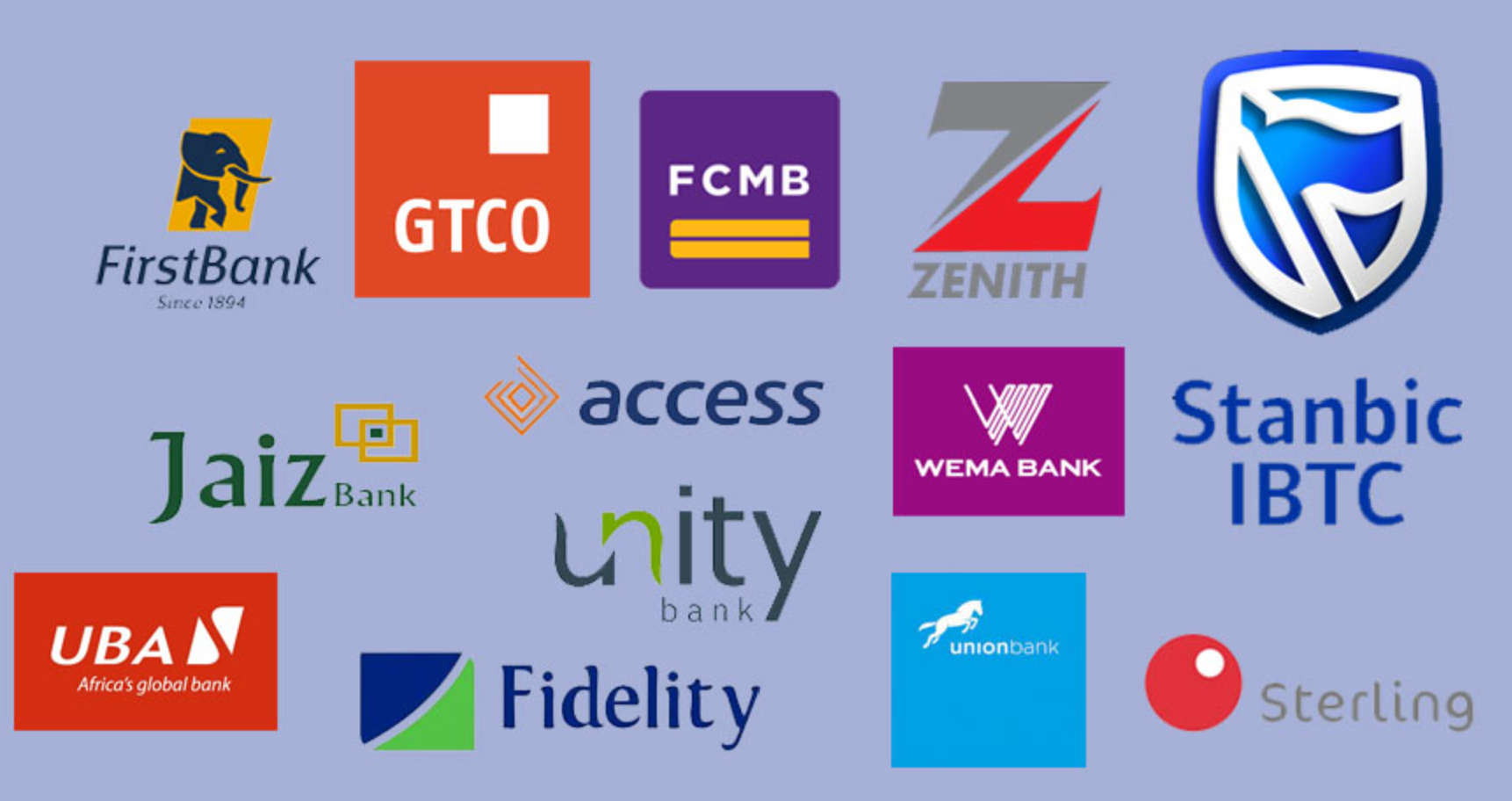
According to the CBN, at least eight banks have fully met the new capital requirements, while others are still in various stages of fundraising or awaiting regulatory verification of their capital increases. Among listed banks, institutions such as Access Bank, Zenith Bank, GTBank, Stanbic IBTC, Wema Bank, and Jaiz Bank are reported to be ahead of the curve, while several mid-tier lenders continue to explore their options.
| Bank | Status | Notes / Details |
|---|---|---|
| Met Requirements | Only some of these are listed banks; others are unlisted or mid-tier. | |
| Access Bank | ✔ Fully met | Became first Tier-1 bank to cross the ₦500 billion threshold (international license). |
| Zenith Bank | ✔ Fully met | Has fulfilled its requirement via its rights issue & public offer. |
| GTBank (GTCO) | ✔ Fully met | Fully met the threshold. Also undertaking a listing in London. |
| Wema Bank | ✔ Fully met (pending final verification) | Raised capital via rights issue & private placement. Subject to verification by CBN. |
| Jaiz Bank | ✔ Fully met | Listed among the banks that have crossed the respective thresholds. |
| Stanbic IBTC | ✔ Fully met | Also among the list of six listed banks that have met the requirement. |
| In Progress / Claimed to Have Met by Some Reports | These are banks the CBN and media say may have met, but possibly still under verification, or they are unlisted banks. | |
| Fidelity Bank | In progress / raising more capital | Has raised large sums via public offer & rights issue; planning more private placement to fill the gap. |
| First Bank (FBN) | In progress | Part of reports of the “eight banks” that have met or are close; but some ambiguity whether fully verified. |
| UBA | In progress | Raised capital via rights issue; still some gap depending on license category. |
| Ecobank Nigeria | In progress | Named in reports about banks having “met” outside listed banks; likely meeting or approaching the required capital. |
| Sterling Bank | In progress | Mid-tier; taking measures, but not among the confirmed list of banks that fully met the thresholds. |
| At Risk / Lagging | These are banks that, as of now, do not appear to have publicly met the thresholds and are under pressure to raise capital. | |
| The remaining listed banks (i.e. those not among the “six listed banks that have met the requirements”) | At risk | Since only 6 of the 13 listed banks have met thresholds, the other 7 face risk. |
| Mid-tier / Regional Banks with smaller balance sheets | At risk | Likely to struggle without strategic investors, mergers, or license downgrades. Macro-headwinds make fundraising harder. |
The recapitalization effort, however, has not been without challenges. Nigeria’s tough economic climate—marked by high inflation, foreign exchange volatility, and rising borrowing costs—has made it more difficult for banks to attract fresh equity, especially from foreign investors. Smaller and mid-sized lenders face an even steeper climb, as they have fewer avenues to raise the billions required. Some are expected to seek mergers, strategic partnerships, or even downgrade their licenses rather than risk falling foul of the CBN’s directive.
Still, regulators insist the move is necessary to safeguard financial stability and prepare the industry for bigger roles in the economy. Stronger banks, they argue, will not only be more resilient to shocks but also better able to finance infrastructure projects and extend credit to businesses and households.
The coming months will be decisive. As the deadline approaches, the industry could witness a wave of consolidations similar to the 2004 recapitalization exercise that reshaped Nigeria’s banking landscape. Customers are also likely to feel the effects, whether through improved lending capacity, changes in service charges, or adjustments in banks’ branch networks.
For now, the spotlight remains on banks still in the race. Whether they can secure the necessary funds or restructure their operations before March 2026 will determine not only their survival but also the broader stability of Nigeria’s financial system.
Read Also: Advancing SDG 4: AK Ajibade Foundation’s Summer Lesson Program Leaves Lasting Impact in Alanamu